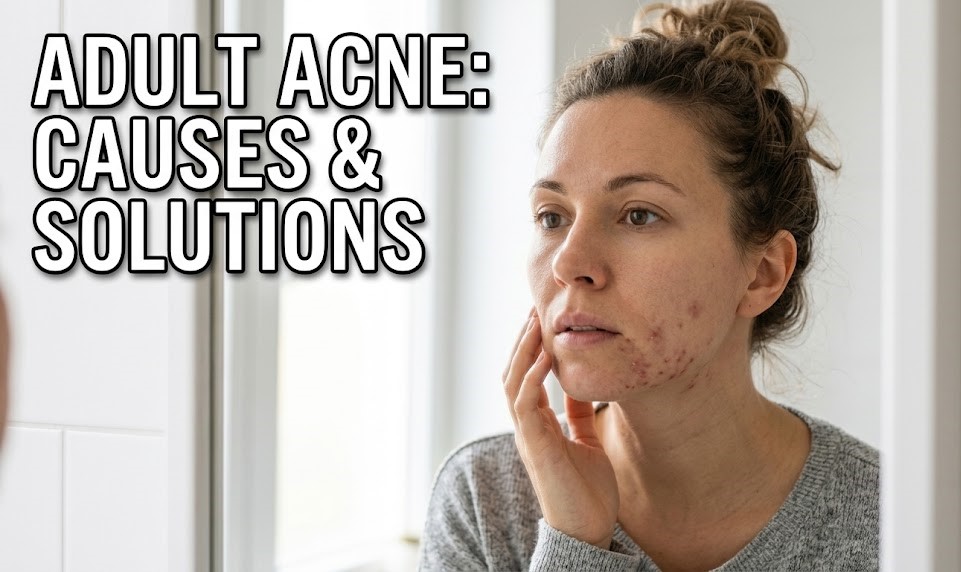

Acne is often dismissed as a teenage rite of passage, but the reality is that breakouts are becoming increasingly common in adults—even those in their 40s. Whether it’s “stress pimples” along the jawline or hormonal flare-ups, adult acne requires a more sophisticated approach than the harsh scrubs of our youth.

Why Adult Acne Happens: The Science
Adult acne is multifactorial, meaning several triggers work in tandem to congest your skin:
- Hormonal Shifts: Fluctuations during menstrual cycles, pregnancy, PCOS, or perimenopause increase oil production.
- Stress Pimples: High cortisol levels boost sebum (oil) and systemic inflammation, leading to stubborn breakouts on the chin and cheeks.
- The Aging Barrier: At 40, estrogen declines and the skin barrier thins. This makes breakouts deeper and more painful, while the skin simultaneously becomes more sensitive to harsh treatments.
- Lifestyle Factors: High-glycemic diets, lack of sleep, and environmental pollution can aggravate existing inflammation.
Effective Treatments for Adult Skin
Treating adult acne isn’t about stripping the skin; it’s about balancing exfoliation with barrier support.
1. Clarify with Gentle Acids
Skip the physical scrubs. Chemical exfoliants like Salicylic Acid (BHA) work deeper into the pores, while PHAs provide gentle resurfacing for sensitive adult skin.
2. Support the Barrier
Adult acne heals slower than teenage acne. To prevent long-lasting marks (PIH), you must use ingredients that strengthen the skin:
- Niacinamide: Calms redness and regulates oil.
- Ceramides & Hyaluronic Acid: Non-negotiable for maintaining the “brick-and-mortar” structure of healthy skin.
3. The Dual Power of Retinol
Retinol is the gold standard for adults because it tackles two concerns at once: it prevents pores from clogging to stop acne, and it boosts collagen to reduce fine lines and wrinkles.
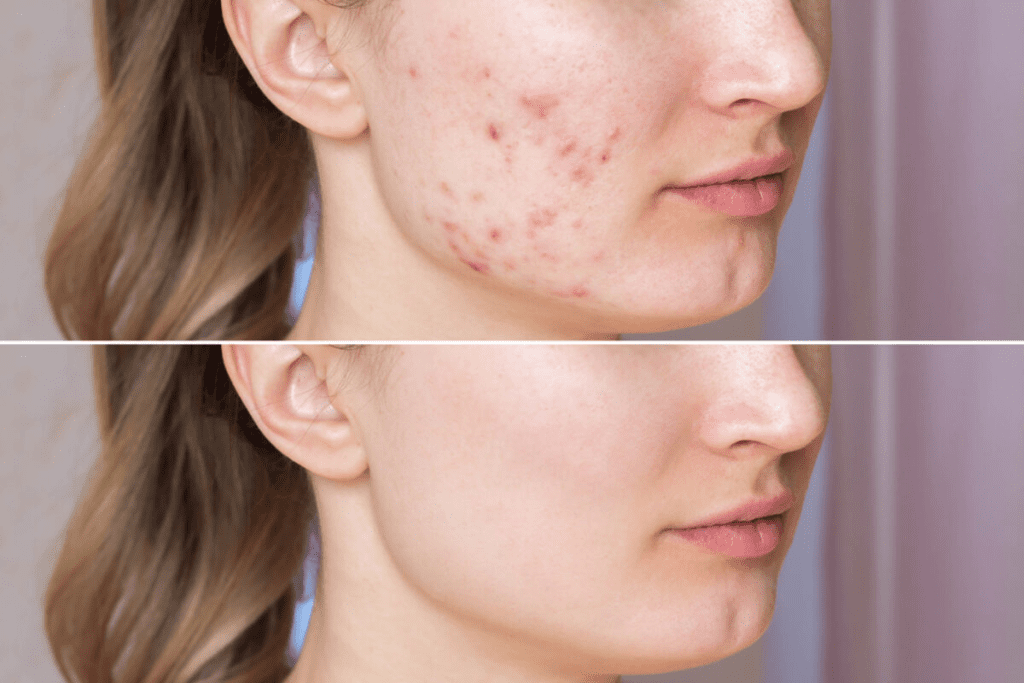
When to See a Professional
If your breakouts are cystic (deep and painful), persist for more than three months, or appear linked to a medical condition like PCOS, consult a dermatologist.
Also Read : Skin Care Routines for Dark Skin: 10 Tips You Must Follow