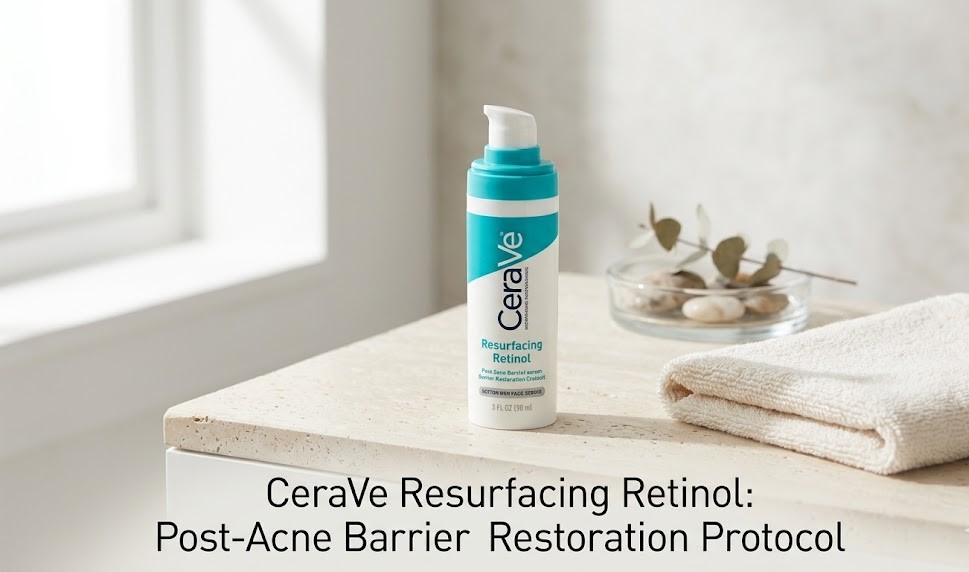

In the global dermatological landscape of 2026, the management of Post-inflammatory hyperpigmentation (PIH) has pivoted toward “barrier-first” resurfacing. While traditional retinoids often induce significant epidermal friction, the CeraVe Resurfacing Retinol Serum utilizes a high-efficiency encapsulation delivery system to treat acne scarring without compromising the skin’s structural integrity. This intelligence brief deconstructs the technical mechanics, bio-chemical synergy, and strategic usage protocols for this metabolic skin asset.
Technical Mechanics: Encapsulation and Barrier Defense
The efficacy of this serum is driven by a time-release delivery system that optimizes active ingredient penetration while minimizing surface-level inflammation.
- Encapsulated Retinol (Slow-Release): Unlike “naked” retinol, which can cause immediate irritation, the encapsulated variant is shielded by a lipid or fatty acid layer. This allows the active ingredient to bypass the initial barrier and release deeper within the epidermis, extending the Retinization window and reducing redness.
- The Ceramide Matrix: CeraVe’s signature inclusion of three essential ceramides (1, 3, 6-II) serves as the structural “mortar” between skin cells. This prevents the transepidermal water loss (TEWL) often associated with chemical resurfacing.
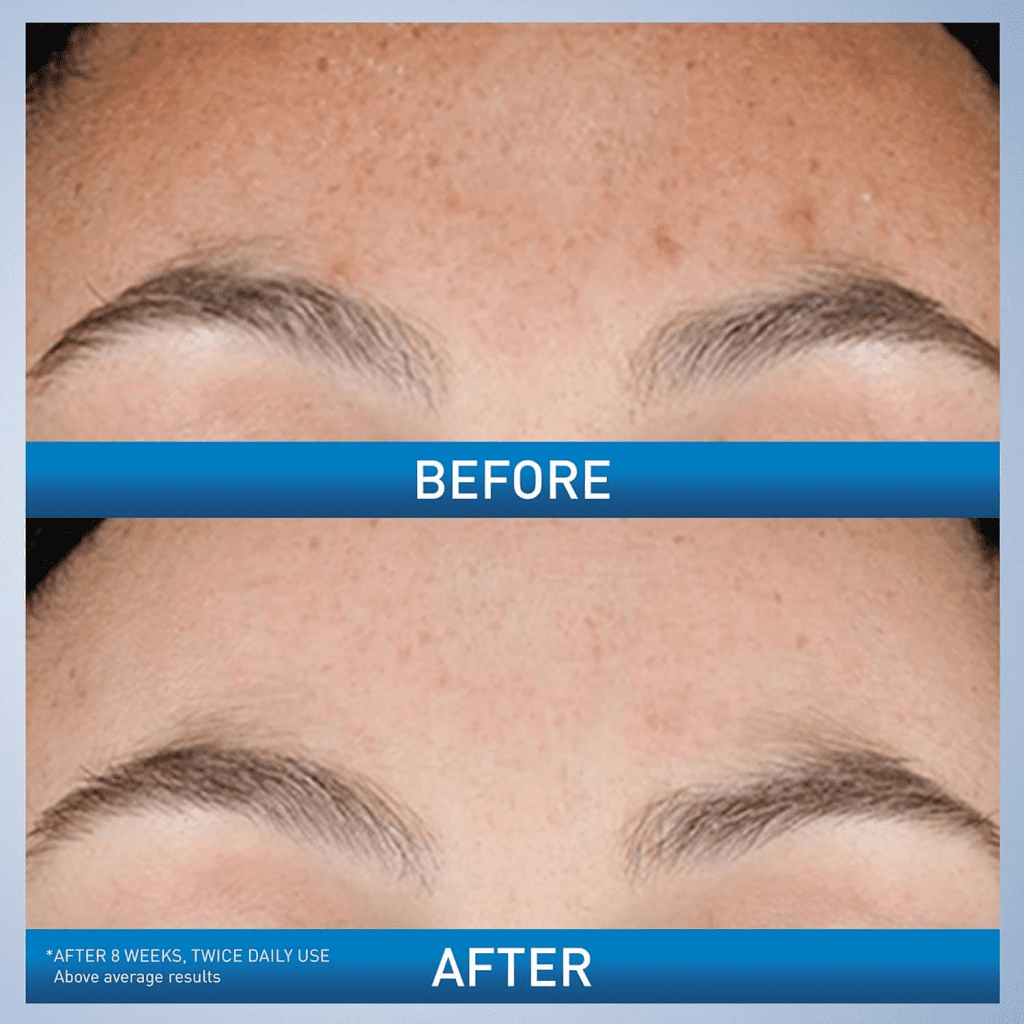
- Niacinamide & Licorice Synergy: Niacinamide (Vitamin B3) acts as an anti-inflammatory stabilizer, while Licorice Root Extract serves as a natural tyrosinase inhibitor, effectively fading post-acne dark marks through biochemical brightening.
Economic Impact and Procurement Logistics
In the 2026 skincare market, CeraVe remains the dominant “clinical-value” tier, offering medical-grade performance at a consumer-level Operational expenditure (OPEX).
- Cost-Benefit Efficiency: Priced significantly lower than luxury dermatological brands, this serum provides a stable ROI for users managing chronic acne scarring.
- Standardized Procurement: Available via major pharmaceutical and e-commerce platforms, ensure you procure the 30ml pump variant to maintain the stability of the light-sensitive retinol.
Structural Vulnerabilities and Strategic Limitations
Despite its gentle formulation, the introduction of any retinoid requires specific operational constraints to prevent “barrier failure.”
- Photosensitivity Bottleneck: Retinol increases dermal sensitivity to Ultraviolet (UV) radiation. Use of a broad-spectrum SPF, such as the CeraVe AM Facial Moisturizing Lotion, is a non-negotiable daytime requirement to prevent further PIH darkening.
- The “Purge” Risk: Initial usage (the first 2–4 weeks) may trigger a temporary increase in breakout activity as cell turnover accelerates. This is a physiological realignment, not a product failure.
- Chemical Conflict: This serum should not be co-administered in the same routine as high-concentration Vitamin C (L-Ascorbic Acid) or strong AHAs/BHAs, as the pH conflict can destabilize the retinol and cause acute chemical irritation.
Conclusion
The strategic verdict for 2026 is that the CeraVe Resurfacing Retinol Serum is the definitive entry-level asset for repairing post-acne texture and discoloration. Its “barrier-safe” design makes it uniquely suited for sensitive skin types that previously found retinoids inaccessible. For maximum ROI, integrate this into a nightly protocol following a gentle cleanser and preceding a lipid-rich moisturizer.