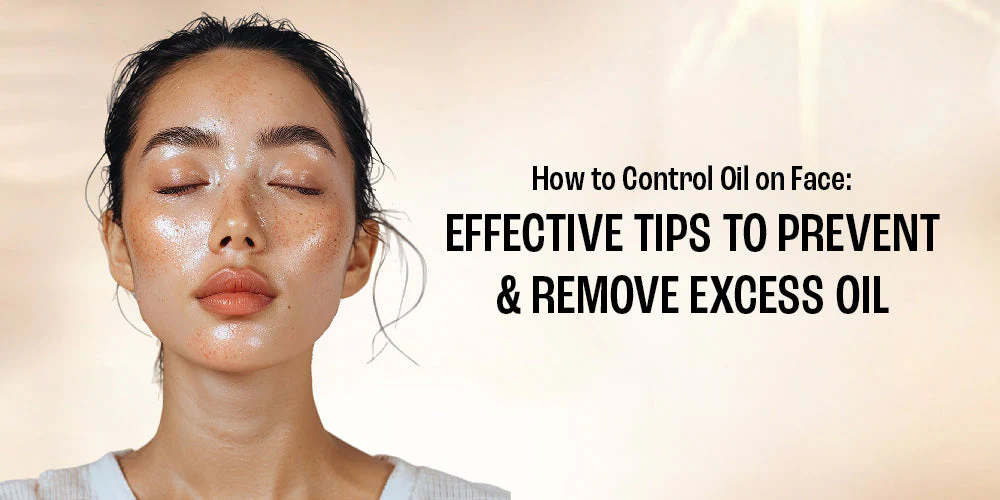

If you’re constantly battling shine—especially across your T-zone—you’re not alone. Oily skin is one of the most common skincare struggles, and that extra sheen is rarely just a cosmetic issue. It often comes along with clogged pores, blackheads and frequent breakouts. When your sebaceous glands start producing more oil than your skin needs, whether due to genetics, harsh products or hormones, the result is that stubborn, persistent shine. That’s why it’s so important to understand how to control oil on face with a routine that balances sebum production instead of stripping your skin dry.
What Causes Oily Skin?
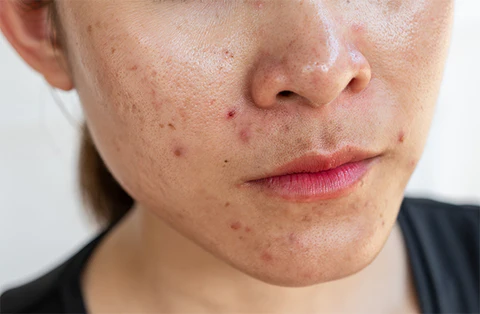
Wondering, “How can I prevent oily skin?” It helps to know what’s happening beneath the surface.
Your face naturally contains sebaceous glands—tiny oil factories located in the hair follicles. Their job is to produce sebum, a protective oil that:
- Keeps skin hydrated
- Forms a barrier against microbes and pollutants
Oily skin appears when these glands go into overdrive, pumping out more sebum than necessary. The excess oil then:
- Sits on the surface, creating shine
- Mixes with dead skin cells and debris
- Clogs pores and triggers breakouts
To truly manage shine, you need to understand how to remove excess oil from face without sending your skin into panic mode or disrupting its natural defences.
Factors That Contribute to Oily Skin
Several overlapping factors can push your oil glands into overproduction:
- Genetics
If oily skin runs in your family, there’s a good chance you’ve inherited a tendency to produce more sebum. - Hormones
Androgens like progesterone and testosterone can increase oil production. That’s why oily skin often worsens during puberty, menstrual cycles, pregnancy or periods of hormonal fluctuation linked to stress. - Stress
As life gets more demanding, levels of androgens and cortisol can rise. These hormones stimulate sebaceous glands, which can mean more shine and more breakouts. - Diet
Foods high in sugar, refined carbohydrates, greasy fats or certain dairy products can affect blood sugar and hormone levels, indirectly influencing oil production. - Environment
Hot, humid weather tends to ramp up sebum activity. In warm, moist conditions, you can expect your skin to look and feel oilier than usual.
How to Control Oil from Face
Managing oily skin isn’t just about cutting out anything that feels greasy. If you strip away too much oil, your skin may respond by producing even more sebum to compensate. The real aim is balance—supporting your skin’s natural barrier while keeping shine under control.
Here’s how to start controlling oiliness in a sustainable way.
Establishing a Good Skincare Routine
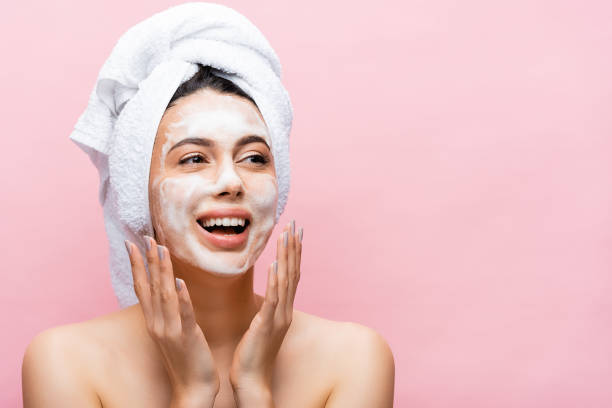
Begin with a gentle, pH-balanced cleanser that removes excess oil, sweat and impurities without over-drying.
Use Dermalogica Skin Resurfacing Cleanser twice daily to:
- Clear away surface oil
- Smooth skin with mild exfoliating action
- Preserve essential moisture rather than stripping it
Follow up with a lightweight, oil-free moisturiser such as Dermalogica Moisture Balance Moisturiser, which:
- Hydrates without clogging pores
- Helps maintain a healthy barrier
Introduce a mild exfoliant (like salicylic acid) 1–2 times a week to:
- Unclog pores
- Help regulate oil buildup
- Keep skin texture smoother
Finish your morning routine with an oil-free sunscreen. Lakme 9 to 5 Naturale Day Creme SPF 20 protects your skin from environmental aggressors while avoiding that heavy, greasy feel.
Dietary Adjustments
Skincare products are only part of the story. Your diet plays a significant role in how much oil your skin produces.
Try to:
- Reduce high-glycaemic and greasy foods (refined carbs, sugary snacks, very oily fast food)
- Include more omega-3 rich options such as walnuts, leafy greens and fatty fish
- Drink plenty of water throughout the day
Simple, consistent changes in what you eat can be a powerful answer to “how to control oil on face” from the inside out.
Consult a Professional
If you’re already using oil-free, non-comedogenic products and still experience:
- Persistent acne
- Frequent, inflamed breakouts
- Scarring or post-acne marks
…it’s time to talk to a dermatologist. A professional can:
- Analyse your skin type
- Recommend the right treatments or in-clinic procedures
- Prescribe medication if needed
Before trying strong actives or layering multiple products for oily skin, it’s safer to get expert advice, especially if your skin is prone to irritation or swelling.
Best Skincare Products for Oily Skin
The right formulas can make a visible difference when you’re dealing with excess sebum. Lakme Salon offers a wide range of cleansers, toners, sunscreens and treatments designed to help keep oily skin clear and comfortable.
Cleansers
Start each day with a thorough but gentle cleanse to remove surface oil, dirt and sweat.
- Lakme Strawberry Creme Face Wash
A juicy, fruity face wash that:- Gently removes excess oil
- Creates a rich, foamy lather
- Contains strawberry extracts and antioxidants
- Cleanses without leaving skin feeling stripped or overly tight
- Dermalogica Special Cleansing Gel
Formulated with foaming agents and exfoliating enzymes to:- Lift away excess sebum
- Remove dead skin cells
- Leave skin feeling refreshed and lightly polished
Toners
Once skin is cleansed, a good toner can make a big difference—especially for oily complexions.
A suitable toner will:
- Tighten the look of enlarged pores
- Remove residual dirt and impurities
- Help rebalance the skin’s pH levels after washing
Adding this step can create a cleaner base for the rest of your routine.
Masks
For oily skin, face masks are weekly must-haves, not just a treat.
Clay or charcoal-based masks can:
- Draw out deep impurities
- Absorb excess sebum
- Remove dead skin cells
- Help prevent breakouts
Used regularly, they leave your skin looking more toned, fresh and mattified.
Lifestyle Changes to Manage Oily Skin
Small everyday habits can support what you’re doing with skincare products:
- Balanced Diet
Eat plenty of whole grains, fruits, vegetables and omega-3 rich foods to help reduce oil production naturally. - Regular Exercise
Working out helps regulate hormone levels and boosts circulation, which can result in healthier-looking skin. - Hygiene Practices
- Wash your face twice a day and after heavy sweating
- Use a mild cleanser rather than harsh scrubs
- Avoid aggressively rubbing or over-cleansing, which can backfire and lead to more oil
Conclusion
Managing oily skin doesn’t have to feel overwhelming. By understanding what causes your skin to overproduce sebum and adopting a balanced, consistent routine, you can:
- Bring shine under control
- Reduce clogged pores and breakouts
- Keep your skin looking clear and healthy
From product choices to diet and lifestyle, every small adjustment counts. With the right approach, controlling oil on your face becomes less of a daily battle and more of a manageable habit.
FAQs
- Can diet affect oily skin?
- What type of makeup should I use to prevent oily skin?
- Should I moisturize if I have oily skin?
- Can over-cleansing make my skin more oily?