
To keep your skin healthy and young-looking, you need to know what a skin barrier is and how to fix it. The skin barrier is the body’s first line of defense; it keeps harmful irritants out and keeps moisture in. This article talks about what the skin barrier is, what damages it, and some good Ayurvedic skin treatments that can fix it.
What is the skin barrier?
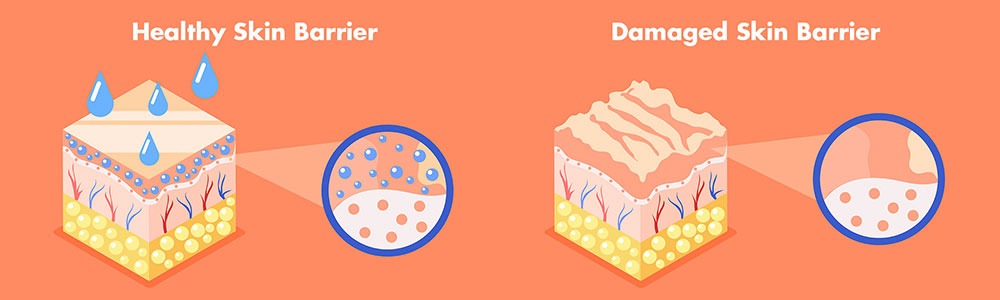
In order to protect the body, the skin barrier is the thinnest layer of skin on the outside. These layers help the skin keep its moisture and keep out irritants that are bad for the skin. Healthy barriers on the skin make it soft, smooth, and easy to bend.
Damage to the skin barrier can make the skin look dull, dry, rough, and lose its moisture. Ceramides, cholesterol, and fatty acids are some of the things that skin barriers contain that are needed to keep skin cells healthy and moist. When barriers get damaged, they can’t hold these important things in, leaving the skin dry and open to outside influences.
ALSO READ: 5 Reasons Why Wearing Sunscreen Daily is Non-Negotiable in 2026
Causes of Damaged skin barrier
Environmental Factors
- Too much time in the sun—Too much time in the sun can damage important proteins in the skin.
- Extremely dry or wet conditions— These kinds of environments strip the skin of its natural oil, which makes it produce too much oil.
- Dangerous chemicals, irritants, and allergens Over time, outside pollutants can hurt skin.
Lifestyle Choices
- Poor nutrition and dehydration—Not getting enough of certain nutrients and water can make skin health worse.
- Too much alcohol or caffeine consumption— Both alcohol and caffeine can make the body and skin dry out.
- Smoking—Smoking makes it harder for skin to heal and grow back.
Skin Care Mistakes
- Harsh chemicals—Sulfate, alcohol, and fragrance are some of the harsh chemicals that can damage the skin that are found in skin care products.
- Too much washing and exfoliating can make the skin lose its natural oil and throw off its PH balance. When you exfoliate too much, you can damage the barrier by making small cuts and tears in the skin.
- The wrong way to care for your skin
Health and Medical Conditions
- Several medicines
- Skin problems – Scans like eczema, psoriasis, and rosacea can hurt the skin barrier.
- Changes in hormones
- Aging—Aging can make it take longer for skin to heal itself.
Emotional and Mental Health
Psychiatric distress, like anxiety and stress
Damaged Skin Barrier Symptoms
It’s easy to tell if your skin barrier is broken because you are more likely to have these signs:
- Skin that is sensitive and red
- Skin that is very dry
- Being itchy
- Skin infections caused by bacteria, viruses, or fungi
- Breakouts of acne
- Skin that is very dark
- A cut or bruise takes longer to heal.
- Rash and redness
- Feelings of stinging and burning while using any products
How to Repair Skin Barrier Naturally
Skin care routine
It’s better to keep our skin from getting hurt before we talk about “How to repair skin barrier!” After reading this, here are some ways to take care of your skin and keep it healthy.
- Warm water is the best way to wash your skin. Water that is too hot or too cold can both really hurt your skin.
- Mild, PH-balanced cleanser: For healthy skin, mild cleansers that don’t strip away essential oils and moisture are best. Look for products that don’t have sulfate or chemicals that are bad for you. It is best to exfoliate once or twice a week.
- Gentle exfoliant: Don’t scrub your skin too hard. It could cut or tear the skin in small ways. Always use a gentle exfoliant that you leave on your skin.
- If you want to take better care of your skin, don’t use too many products and active ingredients. Using AHA, BHA, retinol, Vitamin C, and other active ingredients in more than one skin care product can make your skin red and itchy. Making things easier is always a good idea.
- Regularly moisturize: No matter what kind of skin you have, you need to moisturize it. Use a moisturizer with ceramides, fatty acids, and glycerin, which help repair the skin barrier, to keep the moisture in.
- Avoid skin care products with alcohol: A skin care product with alcohol in it can dry out the skin and damage the skin barrier.
- Skin’s PH level: Use products that help keep the PH level of your skin stable.
- Patch test: To keep your skin from getting hurt, you should always do a patch test before using new products.
Natural Methods
- A lot of people say that aloe vera is the best natural way to treat sunburns. It takes away the itching that comes from sun damage. As an anti-inflammatory, aloe vera helps wounds heal and keeps the skin moist.
- Lavender: The oil that is taken from lavender plants kills bacteria and fungi. You can use it to treat skin conditions that make your skin itch, like psoriasis and eczema. It can also be used to treat wounds.
- Shea butter: Shea butter naturally keeps your skin moist and hydrated. Shea butter has fatty acids in it that help the skin heal and fade scars. Shea butter also makes your skin glow and slows down the early signs of aging.
- Jojoba oil: Like lavender, jojoba oil can be used to soothe eczema or psoriasis because it calms the skin. It also heals general skin damage and keeps the skin moist.
- Vitamin C: Skincare products with vitamin C can help slow down the early signs of aging. Vitamin C also helps remove dead skin cells, make skin brighter, and keep it moist. It also helps with skin that is red and itchy or has scars from acne. Since vitamin C is an antibacterial collagen agent, it can give your skin nutrients and help it heal from damage.
- Ice: If your skin is red and itchy, you can use ice to soothe it. Ice cubes have been used to treat sunburns and other skin problems like cuts and scrapes for a very long time. Ice is good for your skin. You can get even better results for skin problems like dryness and dark circles under the eyes if you add rose water, cucumber juice, or aloe gel to the water you use to make it.
Ayurvedic Skin Treatments and Remedies
- Abhyanga oil massage: Abhyanga is a traditional Ayurvedic oil massage that helps blood flow and fixes the skin’s protective barrier by delivering deep moisture. In Ayurvedic oil massage, either sesame oil or coconut oil is used to nourish and moisturize the skin.
- Ayurvedic oil Kumkumadi Tailam is made with saffron, herbs, and other things to make it very strong. It’s known for being good for healing skin. It naturally keeps skin moist and helps it heal.
- The herbal paste Ubtan is made from turmeric, sandalwood, and chickpea flour. It is a natural way to exfoliate the skin. It helps get rid of dead skin cells gently, without hurting the skin barrier. It also helps the body heal and get better.
- Nasya is an ayurvedic treatment in which herbal oil is poured through the nose to help the body heal and stay moist. Nasya’s rejuvenating properties help even out skin tone, slow down the aging process, and get rid of wrinkles by keeping the skin barriers moist and healthy.
- Pizhichil is a herbal oil that is poured all over the body to treat it. These oils help deeply moisturize by calming skin that is red and itchy, reducing dryness, and fixing skin that has been damaged.
- Lepam is a treatment that is a herbal paste made of many herbs, such as sandalwood, aloe vera, and neem. Putting this on as a mask can help reduce redness, keep the skin moist, and fix a damaged skin barrier.
- Takradhara, also known as “Buttermilk Therapy,” is an ayurvedic treatment in which medicated buttermilk is spread over the body and forehead. The cooling effects of this therapy help reduce swelling, soothe skin that is irritated, and deeply moisturize dry skin.
- Sandalwood: Sandalwood is a good way to treat skin problems caused by pitta and kapha. Sandalwood can help treat acne and other skin problems, making the skin’s barrier stronger.
- Turmeric: The antibacterial, anti-inflammatory, and anti-aging properties of turmeric help skin that is already damaged heal and stop it from breaking down even more.
- Saffron: Saffron is a great herb that can lighten your skin, treat hyperpigmentation, and heal skin that has been damaged. In Ayurveda, it is often used in kumkumadi oil and other skin care products.
Diet
For a healthy skin barrier, you need to take care of both the inside and the outside. Eating the following foods can help damaged skin barriers heal faster:
What foods to include
- Ghee
- Pecans and almonds
- Anise
- Greens with leaves
- Turmeric
- Farm fresh vegetables
- Juice of Aloe Vera
- Foods that are full of grains
- Flax seeds
- Potatoes with sugar
- Seeds from sesame
- Pomegranates and watermelon
- Teas with herbs
Foods To Avoid:
- Hot foods
- Ready-made foods
- Foods that are oily
- Drinks with caffeine
- Having too much sugar
- Alcoholic drinks
- Dairy products
How long does it take to repair damaged skin barrier
Broken skin barriers can be fixed, which is good news. It just takes some time and patience. How long it takes to fix the skin barrier depends on how badly it was damaged. It could be anywhere from a few weeks to six months.
Most of the time, it takes 28 to 42 days for an adult’s skin to heal itself with natural and medical treatments. This process can take up to 84 days if you are 50 or older.
If you follow the steps we gave you, your skin barrier will stay healthy, and your skin will look smoother, softer, and younger.
In conclusion
It is very important for healthy skin to fix damaged skin barriers and keep them in good shape. Before you try any of these home remedies, you should know what kind of skin you have and talk to a dermatologist or ayurvedic specialist.