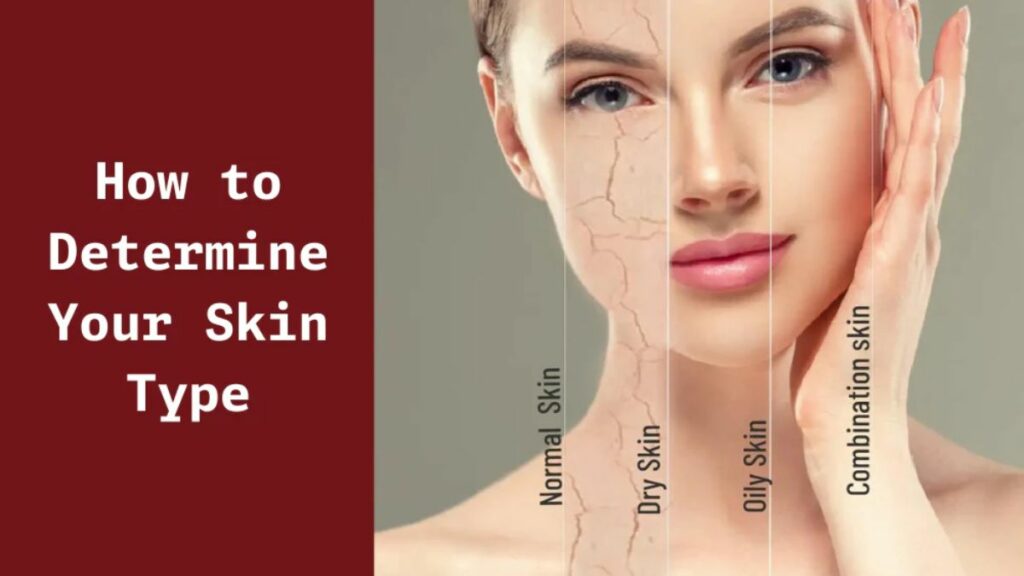

Have you ever bought a trendy skin care product because everyone else was, hoping it would give you a flawless glow but instead giving you a breakout? A lot of us have been in this situation—it’s hard to say no to that miracle product that everyone is raving about. But the results that people actually get aren’t always what they think they will be.
Importance of Understanding Your Skin Type
When making a skincare routine, it’s important to know what type of skin you have. Even though everyone needs the basics, the best formulas for each skin type are very different based on their specific needs and traits.
Once you know what type of skin you have, you can customize your skincare routine by choosing products that are made to treat your skin problems. This customized approach lowers the chance of bad reactions and makes your skincare routine work better.
Find out how to figure out your skin type without leaving your house by reading on.
Different Skin Types
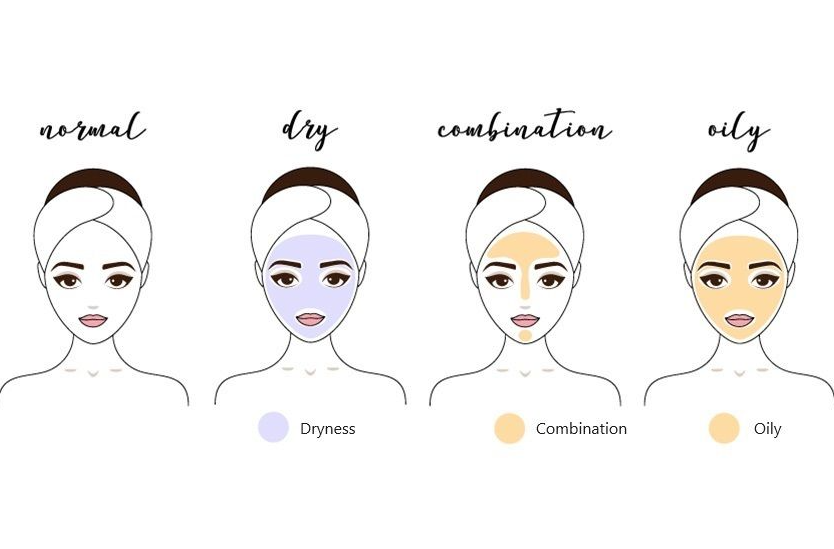
How to know your skin type
Normal Skin
Most of the time, normal skin is just right—not too oily or too dry. People with normal skin usually have small pores, good blood flow, and a smooth, even texture. They usually don’t have a lot of breakouts or are very sensitive. This skin type keeps the production of oil in check, which gives it a naturally glowing look.
Dry Skin
Skin that is dry doesn’t have enough moisture, which can make it feel tight, rough, or flaky. It might look dull and have fine lines or red spots that you can see. People with dry skin often feel pain or itching because they aren’t getting enough water. This type of skin doesn’t make as much sebum, so it doesn’t have enough of the natural oils it needs to stay moist.
Oily Skin
Skin that is oily makes too much sebum, which makes it look shiny or greasy. People with oily skin are more likely to get acne, blackheads, and pores that are too big. During the day, they may need to use blotting papers or oil-absorbing products to deal with their oily skin. Oily skin can be caused by genes, changes in hormones, or things in the environment.
Combination Skin
People with combination skin have a mix of different skin types in some parts of their face. Usually, it shows up as oily T-zone (forehead, nose, and chin) and dry cheeks. The T-zone is more likely to get acne and is oilier. It also has larger pores that can be seen. If the cheeks are dry or sensitive, on the other hand, they may need extra moisture and gentle care.
Can Your Skin Type Change?
Your skin type can change as you age, as your hormones change, as your lifestyle changes, and as your environment changes. For example, someone whose skin was oily as a teen might notice that it gets drier as they age because their skin stops making as much oil. Changes in hormones, like those that happen during pregnancy or menopause, can also change the way skin looks and feels, making it oilier or drier at times. Skin type can also change because of things in a person’s life, such as changes in the weather, pollution exposure, diet, stress levels, and skin care habits.
How to Know Your Skin Type at Home
You can start steps to figure out what type of skin you have now that you know about them. Here are two easy skin type tests that you can do at home to find out what kind of skin you have.
The Bare-Face Method
ALSO READ: Is Glycerin Good for Your Skin? The Unsung Hero of 2026 Skincare
How to know your skin type
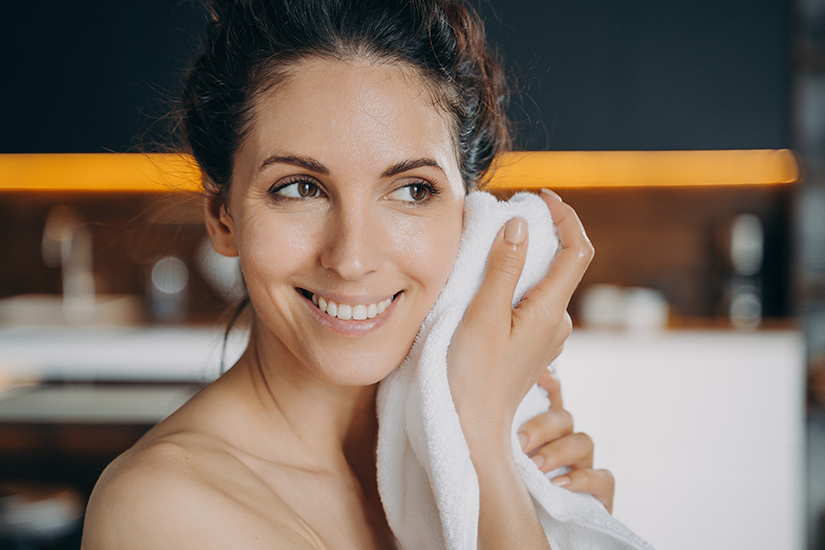
The bare-face method is an easy and quick way to find out what type of skin you have. First, wash your face well and make sure there is no makeup or skin care products on it. You can use our Delicate Facial Cleansers, which clean the skin gently without making it dry. Don’t use any moisturizers or treatments on your skin; just let it dry naturally.
Check out how your skin looks and feels after about 30 minutes.
Normal skin: If your skin doesn’t feel too oily or too dry and looks smooth with no shine or flakiness that you can see, you probably have normal skin.
Dry skin: Your skin is dry if it feels tight, looks rough, flaky, or looks dull. Dry skin may also feel uncomfortable or itchy because it doesn’t have enough water.
If your skin looks shiny or greasy, especially around your forehead, nose, and chin, and feels slick or makes a lot of oil, you probably have oily skin.
Combination skin: If parts of your face, like your T-zone, look oily but other parts, like your cheeks, feel normal or dry, you probably have combination skin.
The Blotting Paper Method
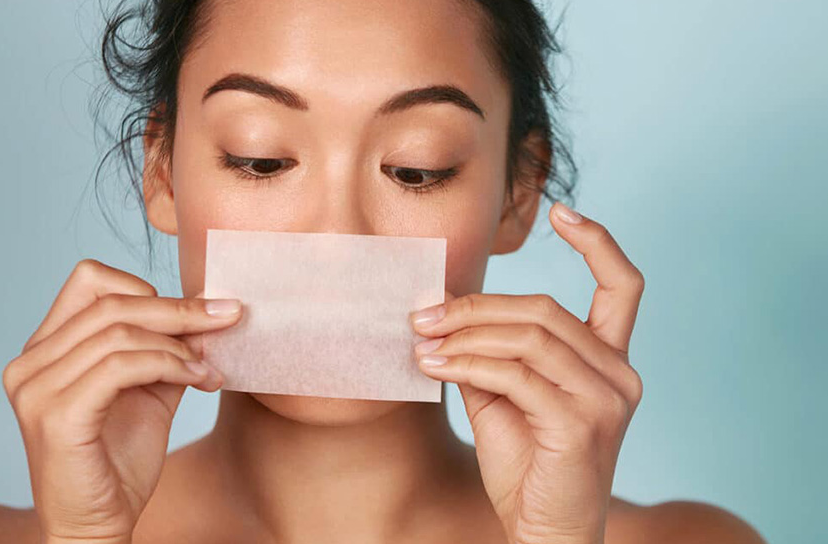
By looking at how much oil your skin makes, the blotting paper test quickly tells you what type of skin you have. Do not wash your face first. Give your skin a break for an hour to let its natural oils build up.
Next, use a clean piece of blotting paper to gently press against your face. Focus on the forehead, nose, cheeks, and chin for a few seconds to soak up any extra oil. Put the sheet up to a light to see how much oil it took in.
Normal skin: Your skin is probably normal if the blotting paper shows that your face has very little oil on it everywhere. When you have normal skin, your face makes about the same amount of oil all over.
Dry skin: If the blotting paper doesn’t pick up much oil or shows almost no oil, this means your skin is dry. Because dry skin doesn’t make much oil, there isn’t much left on the blotting paper.
Oily skin: If you have oily skin, you’ll be able to see oil spots on the blotting paper, mostly in the T-zone but also on your cheeks. When you press the paper against your skin, it might look see-through or oily.
If you have combination skin, the blotting paper might pick up most of the oil in your T-zone, while other parts of your face might have little to no oiliness. This means that your T-zone is oily and your cheeks might be dry or normal.
Conclusion
Now that you know our two simple ways to tell what type of skin you have, you can make a skincare routine that is just right for your skin. Check out our wide range of facial care products, each carefully made for a different type of skin and a specific problem. By choosing skin care products that are right for your skin type, you can make your routine work better, improve your skin’s health, and address any problems you may have.