
We’ve all been told it before: “Avoid oils if you have acne—it’ll just clog your pores!” But here’s the thing—not all oils are created equal.
If your skin’s been through the wringer with harsh creams, drying face washes, and confusing routines, maybe it’s time to hit reset with something simpler. Something that doesn’t strip your skin, but rather supports its natural healing. Enter: jojoba oil.
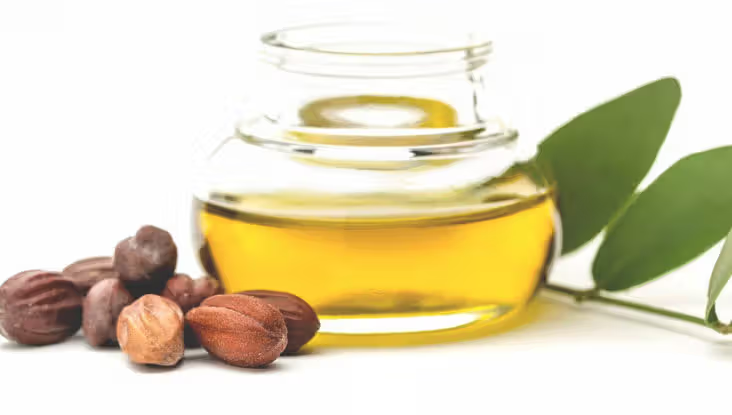
This golden, waxy oil closely mimics your skin’s natural sebum, which is why it’s less likely to clog pores and more likely to balance oil production—a major factor in breakouts. According to Healthline, it also contains anti-inflammatory and antibacterial properties, which help calm redness and prevent new acne from forming.
Jojoba oil isn’t just a quick fix—it’s a gentle ally. It soothes irritation, hydrates dry patches, and helps support the skin’s barrier. As Dermstore explains, it’s also rich in vitamins E and B-complex, which play a role in skin repair.
When used the right way—just a few drops massaged into damp skin—jojoba oil can become a grounding part of your routine. You can even mix it with clay masks or use it as a makeup remover. Just remember: patch-test first, especially if you’re new to oils. Byrdie recommends starting slow, once a day, and observing how your skin responds.
Ready to give your skin a breather? Explore more about how jojoba oil compares to other treatments in Cleveland Clinic’s acne skincare tips.
WHY USE JOJOBA OIL? WHAT ARE THE BENEFITS
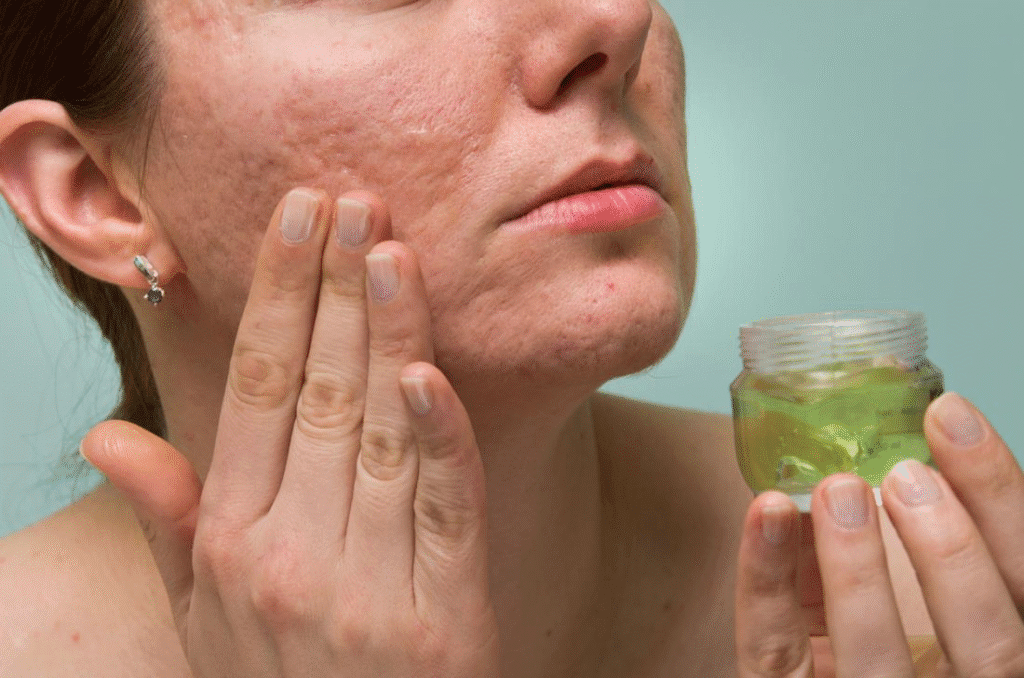
Jojoba oil is very gentle and is sometimes used as a carrier oil, but don’t discount it—it’s a tiny dynamo in its own right. Here are some of the amazing ways it benefits your skin:
1. IT HAS MOISTURIZING PROPERTIES
Jojoba oil is a natural humectant, meaning it traps moisture so your skin remains soft and supple. If you have problems with dryness or that tight, flaky sensation, a few drops can work wonders. And better still, it is absorbed perfectly without being greasy.
2. IT CONTAINS ANTIBACTERIAL PROPERTIES
Jojoba oil not only moisturizes—it protects your skin as well. Research indicates that it contains antimicrobial and antifungal agents that are effective against both bacteria and fungi such as E. coli and Candida albicans. That’s why it’s so highly recommended for sensitive, acne-ridden skin.
3. IT CAN ASSIST WOUND HEALING
Due to its anti-inflammatory properties, you can help your own skin’s healing processes with the help of jojoba oil. One study discovered it even stimulates collagen growth and makes wounds heal quicker—good news if you suffer from red, inflamed blemishes.
4. IT ENHANCES THE EFFECTIVENESS OF SKIN CARE PRODUCTS
If you’re spending money on quality serums and creams, however, jojoba oil can actually make them more effective. Science says it enhances the uptake of topical products, so you’re getting more value from each product you apply.
Cool Trick: Even though it’s called an oil, jojoba oil isn’t exactly one—it’s a liquid wax ester. That’s why it doesn’t spoil like most other plant oils and has a practically unlimited shelf life.
JOJOBA OIL FOR ACNE: HOW EFFECTIVE IS IT IN MANAGING ACNE?
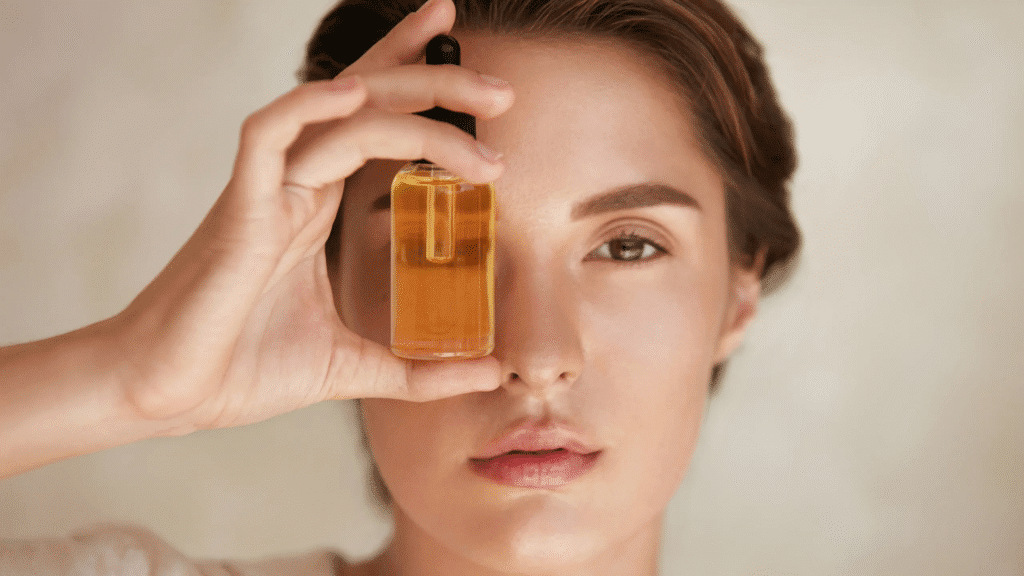
A pilot study involving almost 200 people examined how a clay mask with jojoba oil impacted acne in six weeks. The results were encouraging: on average, there was an acne lesion reduction by 54%, both for red, inflamed pimples and tiny plugged pores.
That’s not all. Since jojoba oil is a liquid wax, it can dissolve sebum buildup in your pores, avoiding clogs that cause new breakouts. Picture at last sweeping away those pesky clogs without stripping your skin bare.
HOW TO USE JOJOBA OIL FOR ACNE
It doesn’t take any of the fancy products or detailed steps to incorporate jojoba oil into your regimen. Here are four easy, effective ways to go about it:
1. APPLY IT TO YOUR CLAY MASK
Combine bentonite clay with the same amount of jojoba oil. Apply the paste on your face or only the affected areas. Allow it to dry completely, then wash off with warm water. Be gentle—no rough scrubbing. Use this mask two or three times a week to help keep pores clear.
2. USE IT AS A FACE MOISTURIZER
Mix two tablespoons of aloe vera gel with two tablespoons of jojoba oil in a sterile jar. This is an easing, moisturizing cream that’s ideal at bedtime or whenever your skin gets parched. Massage it in and allow it to soak completely.
3. MIX IT WITH YOUR DAILY CREAM
You can also mix a few drops in with your go-to cream or gel before application. Or mix it into your regular face oil for an added dose of moisture and softness.
4. APPLY DIRECTLY
At times, less is more. Heat up a few drops in your palms and press it in gently. Let it sit overnight and wake up to more serene, happier skin.
If you want a first-hand perspective, here is what one individual wrote about his experience:
“I used a great deal more water on my face and like an extremely tiny drop of jojoba… and it was great. Waking up, I don’t have an oil slick on my forehead anymore.”
ARE THERE ANY POSSIBLE DANGERS OF USING JOJOBA OIL?
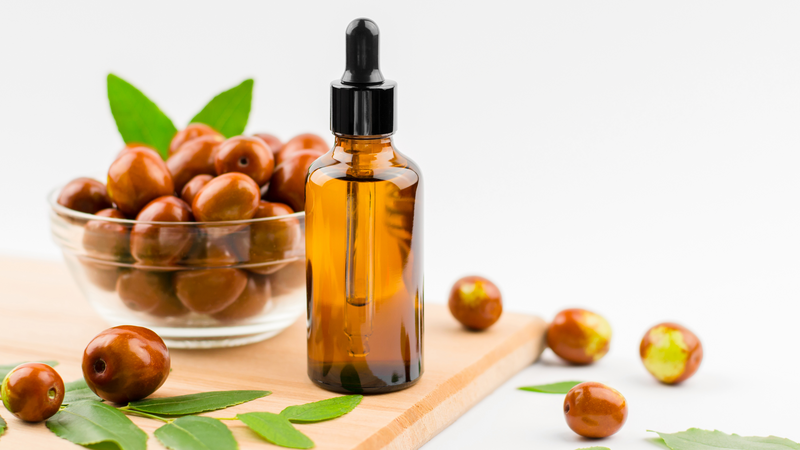
Jojoba oil is usually very safe for most individuals, but it’s a good idea to do a tiny patch test first.
Apply a small amount to the inside of your elbow or wrist. Wait 24 hours to observe whether you experience redness, itching, or any other response. If you’re clear, you can apply it more confidently to your face.
That said, very sensitive skin types could still experience irritation, and prolonged use may rarely cause rashes or hives. In some people, it can trigger swelling of the lips, throat, or face—so always pay attention to how your skin reacts.
THE BOTTOM LINE
Determining the best acne treatment is frequently a process. Something that works beautifully for another person may not be right for your skin—and that’s perfectly fine.
Also Read : 7 Benefits of Hyaluronic Acid for Skin: Why It’s a Must-Have