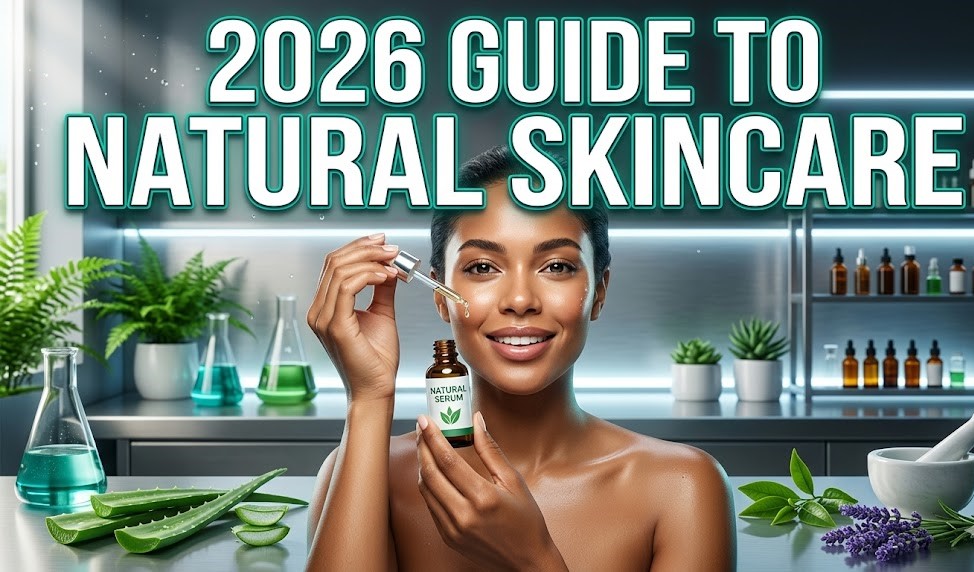

In 2026, “natural” skincare isn’t just a buzzword; it’s a multi-billion dollar shift toward ingredient transparency and environmental ethics. However, navigating this space can be tricky because the term “natural” remains largely unregulated. Whether you’re looking to swap your synthetic shelf for botanical alternatives or simply want to understand the science behind plant extracts, starting a natural routine requires a balance of ancient wisdom and modern chemistry.
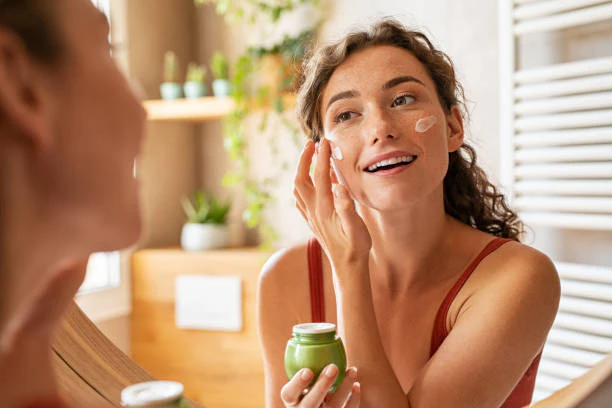
The Science of Botanical Bioactives
Natural skincare relies on bioactive compounds found in plants, marine life, and minerals. Unlike synthetic molecules created in a lab, these ingredients often come as complex “packages” of vitamins and antioxidants. For example, Vitamin C—often listed as L-ascorbic acid (C6H8O6)—is a powerhouse for collagen synthesis and UV protection. When sourced naturally, it’s often paired with Vitamin E, or α-tocopherol (C29H50O2), which enhances its stability and absorption through the dermal layers.
These ingredients work by neutralizing free radicals, which are unstable atoms that damage cells. By maintaining a high Antioxidant Capacity (AC), you can support the skin’s structural integrity:
AC=∑(Vitamins+Polyphenols+Flavonoids)
Tailoring “Natural” to Your Skin Type
Choosing the right products depends entirely on your specific skin type and concerns.
- Oily & Acne-Prone: Look for ingredients like tea tree oil or willow bark (a natural source of salicylic acid). If you’re wary of synthetic retinoids, bakuchiol is a clinically proven plant-based alternative that provides similar pro-aging benefits without the irritation.
- Dry & Sensitive: Colloidal oatmeal and jojoba oil are the gold standards here. Jojoba is unique because its chemical structure closely mimics human sebum, allowing it to hydrate without clogging pores.
- Darker Skin Tones: Melanin-rich skin is more prone to post-inflammatory hyperpigmentation and keloids. Botanical extracts like licorice root or grape seed extract can help manage uneven skin tone and hyperpigmentation naturally.
The Ideal Daily Routine
Morning: Protect and Prime
- Cleanse: Use a sulfate-free, botanical wash to remove overnight oils.
- Tone: A rosewater or green tea mist helps balance the skin’s pH.
- Moisturize: Apply a lightweight fluid containing phytoceramides (plant-derived lipids).
- Protect: Use a mineral-based sunscreen (Zinc Oxide or Titanium Dioxide). These are often preferred in natural routines as they sit on top of the skin rather than absorbing into the bloodstream. In 2026, many mineral SPFs are tinted to avoid the “white cast” on darker skin.+1
Night: Repair and Rejuvenate
- Double Cleanse: Use a natural oil (like sweet almond or grapeseed) to melt away makeup and SPF, followed by your regular cleanser.
- Eye Cream: Use a richer cream with Vitamin K or caffeine extracts to soothe the thin skin around the orbital bone.
- Night Cream: Choose a formula with heavier butters (shea or cocoa) to support the skin’s regeneration process while you sleep.
Safety and Sustainability
Just because an ingredient is “natural” doesn’t mean it’s universal. Essential oils, for instance, are highly concentrated and can cause contact dermatitis if not diluted correctly. Always perform a patch test on your inner forearm before applying a new botanical product to your face.
Additionally, be mindful of shelf life. Natural products often lack synthetic preservatives like parabens, meaning they may oxidize or harbor bacteria faster. If your oil starts to smell like old crayons or your cream changes color, it’s time to toss it. For the most effective results, ensure your SPF is fresh and correctly applied, as even natural routines are defenseless against the aging effects of the sun without proper UV shielding.
Conclusion
Switching to a natural skincare routine in 2026 is an investment in both your personal health and the planet’s sustainability. By prioritizing nature-identical or naturally derived ingredients, you reduce your exposure to potentially disruptive synthetics while harnessing the complex nutrient profiles of the botanical world. The key to success is patience and research—knowing your “organic” from your “fair-trade” and understanding that a glowing complexion is the result of a healthy, protected skin barrier.
Also Read : Multani Mitti: 8 Benefits, Uses, and How to Apply for Glowing Skin (2026 Guide)