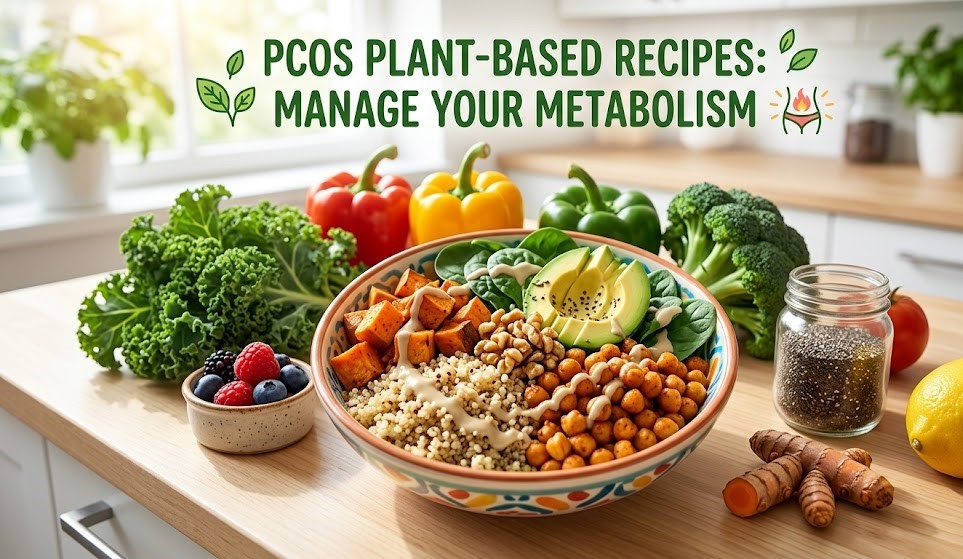

Managing PCOS on a vegetarian diet requires a strategic focus on insulin sensitivity and protein density. In 2026, the rise of “agentic” nutritional tools—like the FODMAP AI Meal Planner—has made it easier to design plates that are low-glycemic, gut-friendly, and hormone-stabilizing.
1. The 2026 Vegetarian Strategy for PCOS
Vegetarianism offers high fiber and antioxidants, which are crucial for reducing the low-grade chronic inflammation typical of PCOS. However, the risk lies in “carb-heavy” vegetarianism.
- The “Protein-First” Rule: To prevent androgen spikes, every meal must feature a high-quality plant protein.
- The Gut-Hormone Link: 2026 research highlights that a Low-FODMAP approach (reducing fermentable carbs) can significantly reduce the bloating and digestive distress often experienced by women with PCOS.
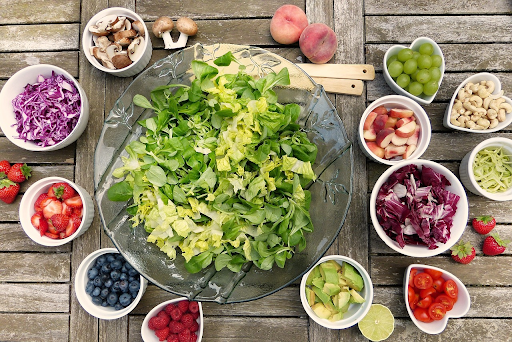
2. Top 10 Functional Vegetables for PCOS
These “super-veggies” are selected for their high fiber and specific micronutrients like Folate, Magnesium, and Vitamin K.
- Kale & Spinach: Powerhouses for iron and B-vitamins.
- Broccoli & Cauliflower: Contain DIM (Diindolylmethane), which helps the body process excess estrogen.
- Brussels Sprouts: High in fiber to sweep excess hormones out of the gut.
- Asparagus: A natural diuretic to help with cycle-related water retention.
- Bell Peppers: Loaded with Vitamin C for adrenal support.
- Mushrooms: Low-calorie “umami” that provides Vitamin D (essential for PCOS).
- Sweet Potatoes: A complex carb that provides Vitamin A for skin health.
- Zucchini: A perfect low-carb base for “zoodles.”
3. Sample PCOS-Friendly Vegetarian Recipes
Breakfast: The High-Protein Power Bowl
- Ingredients: 1 cup Greek Yogurt (or soy-based alternative), ¼ cup walnuts, 1 tbsp chia seeds, and ½ cup blueberries.
- Why it works: High protein and healthy fats stabilize glucose levels for the first 4 hours of your day.
Lunch: Quinoa & Chickpea Tabbouleh
- Ingredients: Cooked quinoa, chickpeas, chopped parsley, cucumber, tomato, and a lemon-tahini dressing.
- Why it works: Chickpeas provide slow-release fiber, while tahini offers healthy fats for hormone production.
Dinner: Tofu & Bok Choy Stir-Fry
- Ingredients: Firm tofu (pressed and cubed), ginger, garlic (if tolerated), bok choy, and bell peppers, served over cauliflower rice.
- Why it works: Soy isoflavones may help regulate menstrual cycles, and cauliflower rice keeps the glycemic load low.
4. 2026 Supplement Spotlight: GLP-1 & PCOS Support
Many women in 2026 are using GLP-1 medications (like Ozempic or Wegovy) to manage PCOS-related insulin resistance.
- Digestive Comfort: High-protein vegetarian diets can be taxing on the gut. Using GLP-1 Digestive Enzymes can help manage the nausea and slow digestion associated with these treatments.
- Protein Preservation: Ensure you are meeting protein goals with Low-FODMAP Vegan Protein to prevent muscle loss while on a calorie deficit.
Relevant Resources for PCOS Vegetarians
- Casa de Sante: 7-Day Low FODMAP Meal Plan (Free): A gut-friendly guide that can be easily adapted for vegetarians.
- FODMAP AI Chef: Use this tool to instantly turn any vegetarian recipe into a PCOS-safe, gut-friendly version.
- Nature Medicine: Plant-Based Diets and PCOS (2025 Study): Explore the latest clinical data on how fiber-rich diets lower free testosterone.
- PCOS Nutrition Center: The Vegetarian Guide: Additional tips on ensuring B12 and Iron sufficiency for plant-based PCOS management.
- Healthline: 12 High-Protein Plant Foods: A technical reference for calculating your daily amino acid intake.
Also Read : How to Remove Sun Tan From Your Face in One Day (At Home)