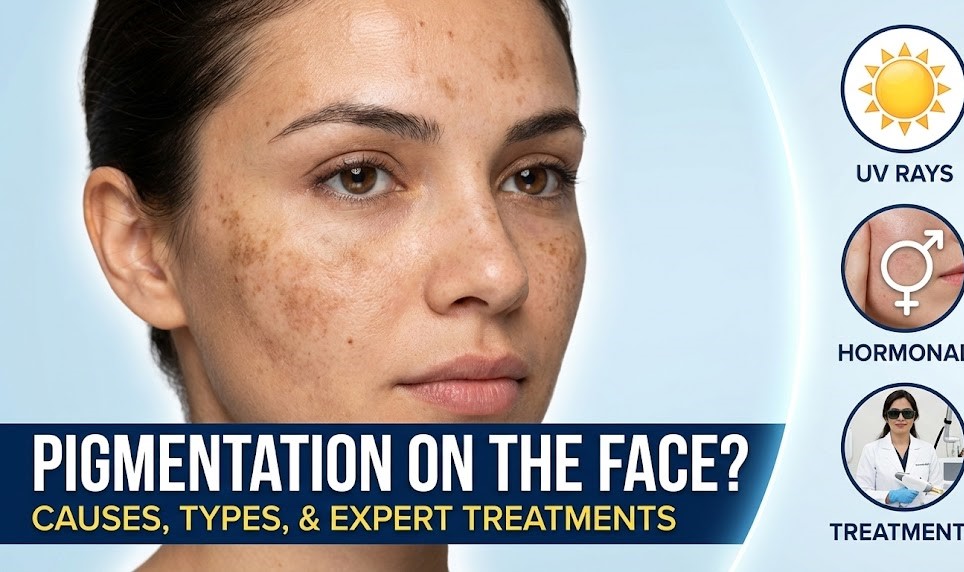

If you are struggling with dark spots or uneven skin tone, you are far from alone. In fact, up to 40% of the population struggles with some form of hyperpigmentation. While dealing with stubborn dark patches can be incredibly frustrating, understanding the science behind your skin is the first step to clearing it up.
First, let’s clarify the terminology: pigmentation simply refers to your skin’s natural color. It is hyperpigmentation—the darkening of your skin in uneven patches—that you are actually trying to treat.
Here is a candid, expert-backed guide to understanding what causes facial hyperpigmentation, the different types you might be experiencing, and the most effective ways to treat it.
The Science of Skin Color: Understanding Melanin
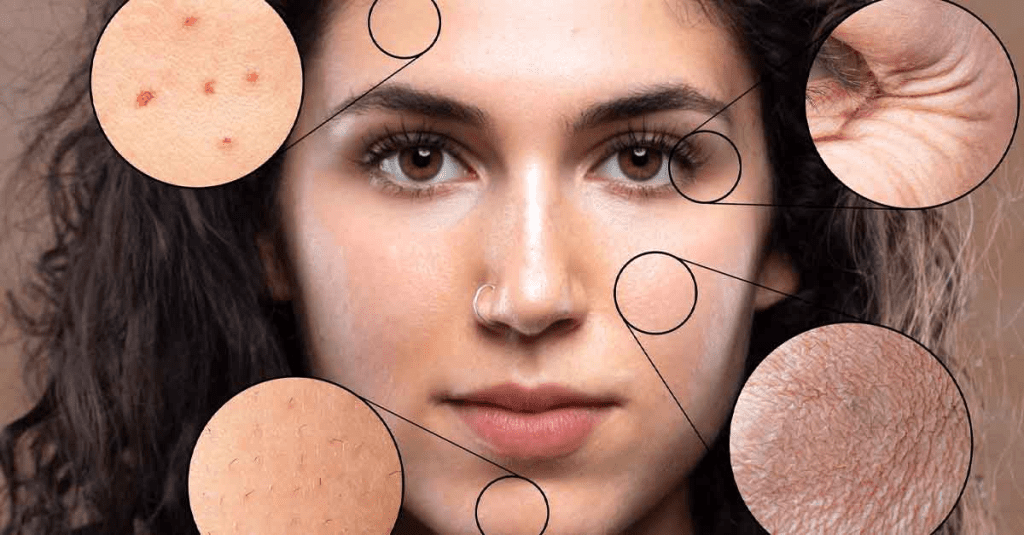
Pigmentation is dictated by specialized skin cells called melanocytes, which produce melanin. According to the Cleveland Clinic, melanin is the pigment that gives our skin, eyes, and hair their characteristic colors.
When these cells become damaged or overstimulated, they produce excess melanin, which clusters together to form dark patches. How your skin reacts to these triggers depends heavily on the balance of the two key types of melanin in your body:
| Type of Melanin | Color Profile | Primary Function |
| Eumelanin | Brown and Black | Protects your skin by absorbing harmful UV rays and neutralizing reactive oxygen radicals. |
| Pheomelanin | Yellow and Red | Provides very little UV protection and can actually contribute to free radical damage when exposed to the sun. |
4 Common Types of Facial Pigmentation
Not all dark spots are created equal. Identifying exactly what type of hyperpigmentation you have is crucial for treating it correctly.
1. Melasma (Chloasma)
Often referred to as the “mask of pregnancy,” melasma forms large, symmetrical brown patches on the forehead, cheeks, and upper lip. It is most commonly triggered by hormonal fluctuations.
2. Post-Inflammatory Hyperpigmentation (PIH)
According to the American Academy of Dermatology (AAD), PIH is the dark mark left behind after a skin injury heals. This is incredibly common after a severe acne breakout, a burn, or a traumatic, harsh cosmetic treatment.
3. Solar Lentigines (Sun Damage)
Also known as age spots, liver spots, or silver spots. These flat, brown patches are the direct result of excessive, unprotected exposure to the sun over many years.
4. Freckles (Ephelides)
Freckles are primarily genetic but are darkened and multiplied by ultraviolet ray exposure. While harmless, they can merge and become stubborn if the skin is left unprotected from environmental aggressors.
Top Reasons for Pigmentation on the Face
- Prolonged Sun Exposure: The Skin Cancer Foundation notes that UV radiation is the number one trigger for melanin production. Stepping into the sun without broad-spectrum SPF forces your skin to overproduce melanin as a defense mechanism, resulting in dark patches.
- Hormonal Changes: Consuming oral contraceptives, undergoing hormone therapy, pregnancy, and menopause all disrupt your body’s chemical balance, making your skin highly susceptible to melasma.
- Harsh Chemical Products: Using overly aggressive skincare, intense chemical hair removers, or harsh waxes can damage the skin barrier and trigger an inflammatory response, leading to PIH.
- Certain Medications: Antibiotics, anti-seizure drugs, and non-steroidal anti-inflammatory drugs can cause photosensitivity and increase melanin levels as a side effect.
The Best Ingredients to Lighten Pigmentation
Fading hyperpigmentation takes time and patience. There is no overnight miracle cure, but consistent use of proven, brightening topical ingredients will yield massive results. Look for products containing:
- Vitamin C & Mulberry Extract (Powerful antioxidants that brighten the skin)
- Retinoids / Bakuchi (Speeds up cell turnover)
- Azelaic Acid & Kojic Acid (Inhibits melanin production)
- Licorice Extract (Naturally fades dark spots)
- Squalane & Tea Tree (Heals the skin barrier and prevents acne-related PIH)
Try Our Bestselling Pigmentation Routine!
At Mamaearth, we formulate our products with these exact proven ingredients to help you safely fade dark spots:
- Bye Bye Blemishes Cream: A non-greasy, lightweight blend of Daisy Flower Extract, Mulberry, and Vitamin C that actively fights hyperpigmentation.
- Retinol Face Serum: Enriched with Bakuchi and Retinol to deeply nourish cells, boost collagen, and speed up the fading of dark spots.
- Hydragel Sunscreen SPF 50: You cannot fade pigmentation if you are still taking sun damage! This aloe-infused, ultra-light SPF shields your skin from the UVA/UVB rays that cause dark patches.
Advanced Professional Treatments
If your pigmentation is deep-rooted and topical creams aren’t enough, you may want to consult a dermatologist about clinical treatments. According to the Mayo Clinic, these professional procedures can dramatically accelerate the fading process:
- Chemical Peels: Safely dissolves the outermost layer of dead, discolored skin, allowing fresh, evenly pigmented skin cells to surface.
- Laser Therapy: Uses targeted light beams to break up the dense melanin clusters beneath the skin without harming the surrounding tissue.
- Intense Pulsed Light (IPL): Selectively heats the damaged pigment and lifts it to the surface, where it naturally exfoliates away.
- Microdermabrasion: A deep, physical exfoliation treatment ideal for superficial sun damage.
FAQs
Is facial pigmentation permanent?
Not necessarily! While some deep pigmentation can be incredibly stubborn, it is rarely permanent. With a dedicated routine of daily sunscreen, chemical exfoliants, and brightening ingredients, most dark spots will significantly fade over time.
How do I quickly lighten hyperpigmentation?
For the fastest results, you must combine a daily topical brightener (like Vitamin C or Retinol) with rigorous, non-negotiable sun protection. For immediate intervention, consult a dermatologist for a professional chemical peel or laser treatment.
Which is the best cream for pigmentation?
The best creams contain melanin-inhibiting and cell-renewing ingredients like Retinol, Vitamin C, Kojic Acid, Bakuchi, or Licorice Extract. Mamaearth’s Bye Bye Blemishes is an excellent daily option.
Also Read : The Ultimate Guide to Neem Soap: Benefits & Uses for Clear, Glowing Skin