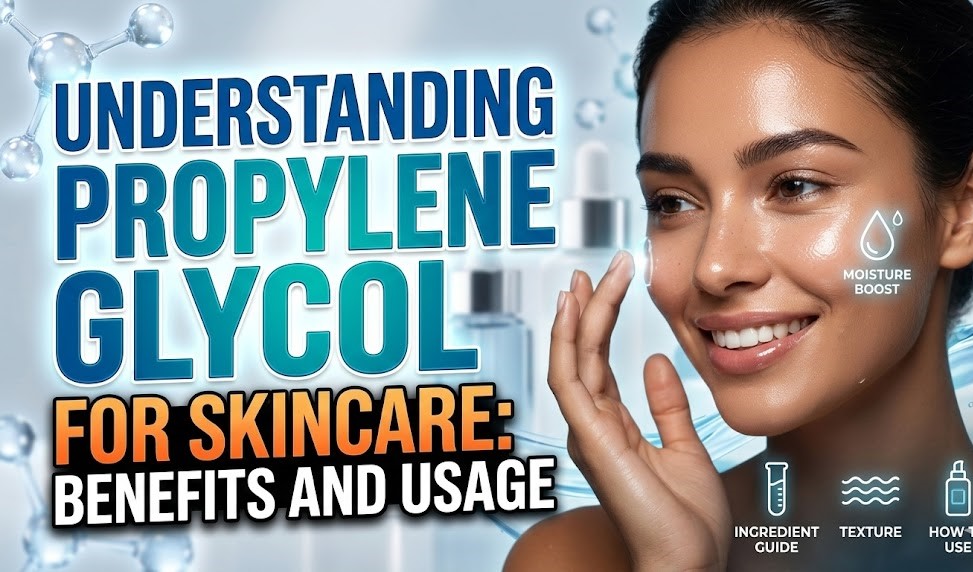

If you’re always searching for ultra-hydrating components, Propylene Glycol is an ingredient you need to know. Often found in high-performance cosmetic products, this versatile chemical is a staple for achieving soft, moisturized skin.
🧪 What is Propylene Glycol?
Propylene Glycol ($C_3H_8O_2$) is a synthetic organic liquid that absorbs water. It is tasteless, colorless, and odorless. In the world of skincare, it acts as a humectant, solvent, emollient, and preservative. Its primary function is to deliver moisture to the skin and help other active ingredients penetrate more effectively.
✨ Top Benefits of Propylene Glycol for Skin
Propylene Glycol is highly valued for its ability to transform skin texture and hydration levels. Here is a breakdown of why it is a common choice for dermatologists and chemists:
| Benefit | Description |
| Intense Hydration | As a humectant, it pulls water into the outer layer of the skin, treating dryness and dullness. |
| Enhanced Absorption | It acts as a delivery vehicle, helping other active ingredients in your serums and creams work more effectively. |
| Anti-Aging Support | By maintaining the skin’s Natural Moisturizing Factor (NMF), it helps delay the appearance of fine lines and wrinkles. |
| Acne-Safe Moisture | Because it is non-greasy and lightweight, it provides hydration without clogging pores or worsening acne. |
| Prevents Water Loss | It creates a protective barrier on the skin’s surface, locking in moisture and ensuring a smooth texture. |
🔍 Usage Precautions and Tips
While Propylene Glycol is generally safe, it is important to follow these guidelines for the best results:
- Check the Label: Some products require thorough shaking before use to ensure the ingredients are properly mixed.
- Patch Test: If you have extremely sensitive skin, consult a dermatologist or perform a patch test before full application.
- Frequency: Use frequently on dry areas, such as hands, especially after washing.
- Avoid Damaged Skin: If you have severe burns or open wounds, seek medical advice before applying products containing this ingredient.
🛡️ Ideal Product Recommendations
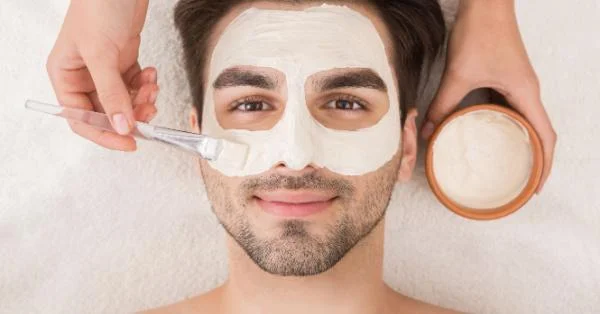
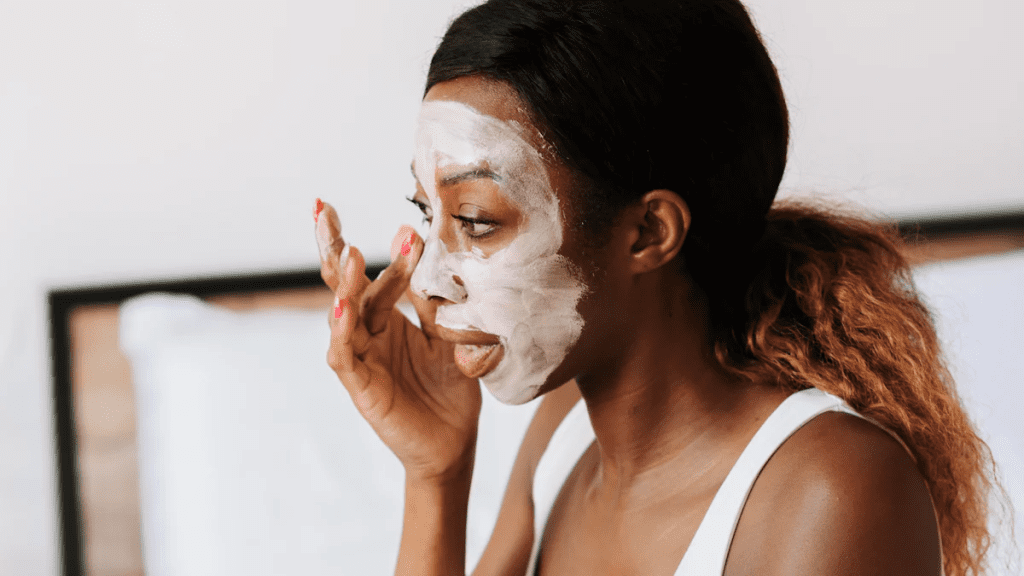
If you’re looking to integrate this ingredient into your routine, many top-rated face masks and foundations utilize Propylene Glycol to provide a dewy, non-cakey finish. For those with oily skin, it is best paired with antibacterial ingredients like Neem or Tea Tree oil to balance hydration with oil control.
Conclusion
Propylene Glycol is a powerhouse ingredient for anyone battling dry, flaky, or aging skin. Its ability to act as both a humectant and an absorption booster makes it an essential part of a modern skincare regimen. By selecting products that balance this chemical with natural extracts, you can achieve a radiant, healthy-looking complexion year-round.
Also Read: Best Face Wash for Dry Skin: Gentle & Hydrating Picks (2026)