
As we navigate the increasingly dry pre-monsoon heat in Pune, the “Skin Resilience” movement has taken center stage. If your face currently feels like a piece of sandpaper despite your best efforts, you likely aren’t lacking moisturizer—you’re lacking an occlusive seal. Enter “Slugging,” the 2026 gold standard for repairing a compromised skin barrier.
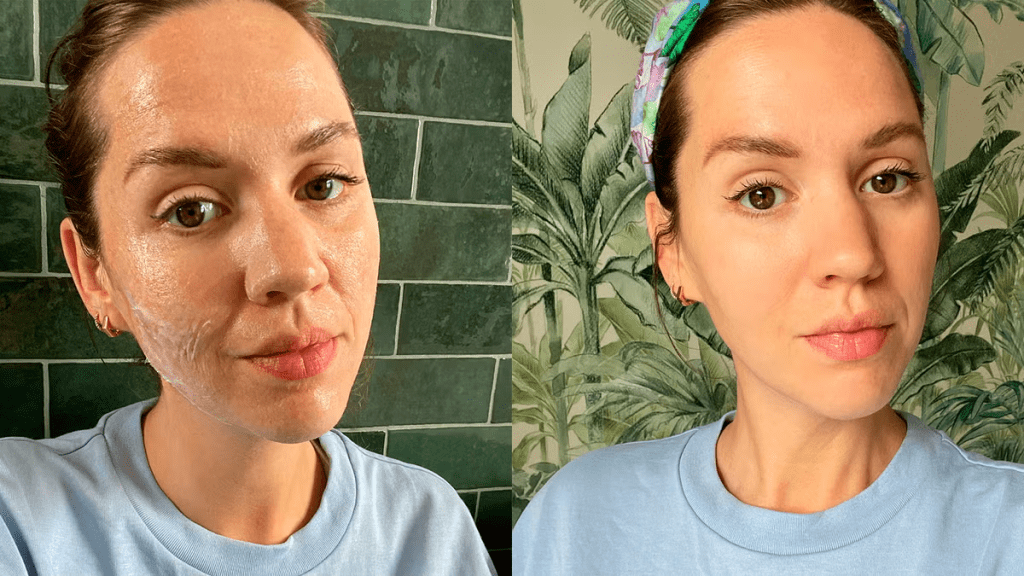
Slugging involves applying a thin layer of an occlusive agent, typically 100% pure petroleum jelly, as the final step of your evening routine. It sounds messy, but the biological payoff is massive.
The Science: Fighting Transepidermal Water Loss (TEWL)
The primary goal of slugging is to combat Transepidermal Water Loss (TEWL). This is the process where moisture evaporates from the dermis through the stratum corneum into the environment. We can represent this water flux using Fick’s Law of Diffusion:
$$J = -D \cdot \frac{\Delta C}{\Delta x}$$
- $J$: The flux of water leaving the skin.
- $D$: The diffusion coefficient.
- $\Delta C$: The concentration gradient of moisture.
- $\Delta x$: The thickness of the skin barrier.
By applying an occlusive layer, you effectively increase the “thickness” ($\Delta x$) and decrease the diffusion coefficient ($D$), trapping hydration where it belongs. According to the American Academy of Dermatology (AAD), petroleum jelly is one of the most effective ingredients for preventing this moisture escape.
7 Pro-Tips for the 2026 Slugging Routine
- Pure Product Only: Use 100% pure petroleum jelly. Avoid medicated versions with menthol or camphor, which can cause irritation on the face.
- The Double Cleanse: You must start with a clean slate. Locking in dirt or 2026 urban pollutants with an occlusive layer is a recipe for congestion.
- Hydrate First: Slugging is a sealer, not a moisturizer. Apply your humectants (like hyaluronic acid) and emollients (moisturizers) first, then seal them in.
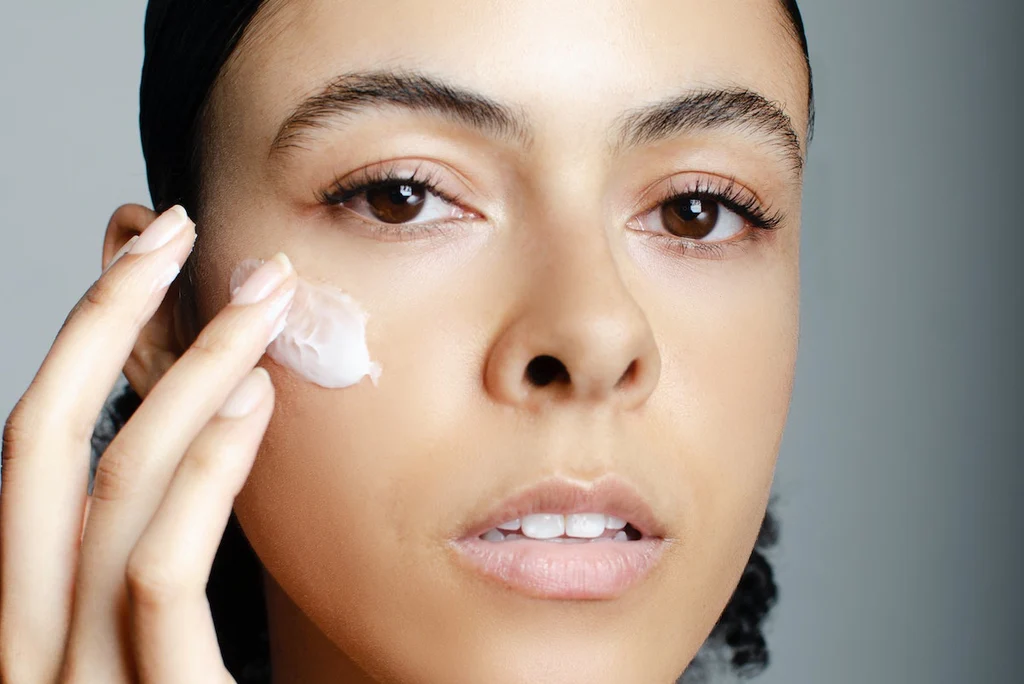
- The “Pea-Size” Rule: Less is more. You don’t need to look like a glazed donut; a pea-sized amount warmed between palms and pressed into the skin is sufficient.
- Audit Your Actives: Be careful with Retinol or AHAs. Slugging increases their penetration, which can lead to unexpected irritation.
- Spot-Slug for Acne: If you have acne-prone skin, avoid active breakouts. Instead, “spot-slug” only on dry areas like the cheeks or around the nose.
- Patience is Key: Hydration improves in 24 hours, but true barrier repair takes 4–6 weeks of consistent frequency.
2026 Slugging Frequency Matrix
| Skin Type | Frequency | Primary Focus |
| Dry / Flaky | 3–4 Times / Week | Intense moisture retention |
| Normal / Balanced | 1–2 Times / Week | Maintenance & “Glow” maintenance |
| Combination | Spot-Slugging Only | Focus on cheeks; avoid the T-zone |
| Oily / Acne-Prone | Monthly (or not at all) | Barrier repair only after breakouts clear |
The Direct Truth: Slugging isn’t a “miracle” in a jar; it’s a structural tool. If you use it over dirty skin or heavy comedogenic oils, you will break out. In 2026, we prioritize cleansing precision over thick layering.
Also Read : Daily Makeup Wearers: Skincare Tips to Protect Your Skin