
Bio-Oil has long been a staple in skincare cabinets worldwide, primarily recognized for its ability to prevent and heal scars and stretch marks. As we navigate 2026, the clinical understanding of its multi-functional properties—ranging from hydration to anti-aging—continues to expand.
Formulated with a unique blend of plant oils and vitamins, Bio-Oil is designed to be lightweight and easily absorbed, making it suitable for various skin types and concerns.
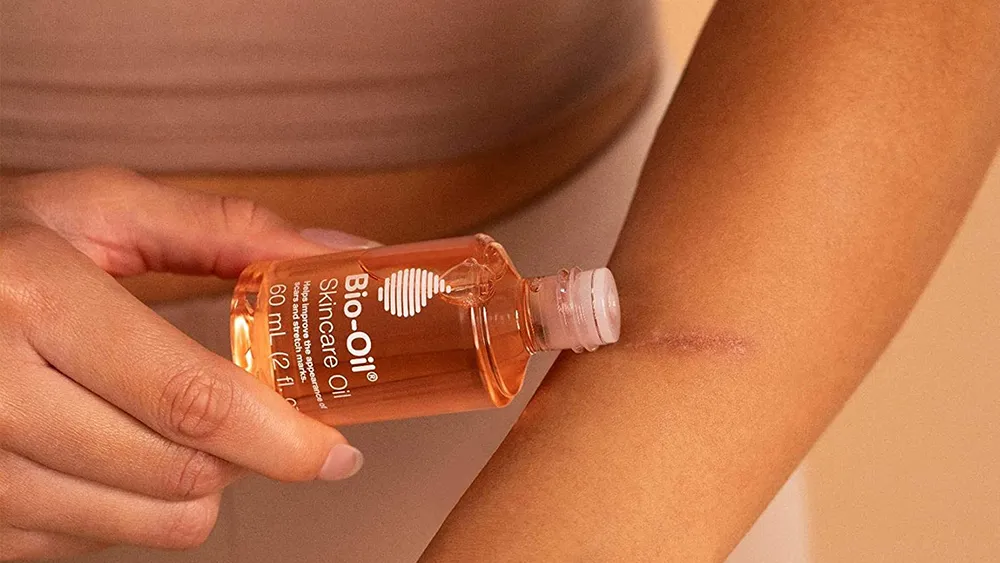
What Is Bio-Oil Used For?
Bio-Oil is a multi-purpose product that claims to improve the health and appearance of the skin in several ways:
- Scars & Stretch Marks: Helps improve the appearance of both new and old scarring and striae.
- Hyperpigmentation: Evens out skin tone for both light and dark skin types.
- Aging Skin: Smooths and tones the appearance of fine lines on the face and body.
- Moisture Retention: Deeply hydrates to relieve dryness and maintain skin elasticity.
The Key Ingredients
Bio-Oil’s effectiveness stems from its combination of botanical extracts and vitamins suspended in an oil base:
- Plant Oils: Lavender, Rosemary, Chamomile, and Calendula.
- Vitamins: Vitamin A (Retinyl Palmitate) and Vitamin E.
- PurCellin Oil™: A breakthrough ingredient that changes the formulation’s overall consistency, making it thin and non-greasy.
Does Bio-Oil Really Work?
Clinical research supports many of the brand’s claims. A 2018 study of 80 participants found that Bio-Oil showed a 14 percent better reduction in scarring and stretch marks compared to untreated areas. Additionally:
- 93% of participants reported a long-lasting supple feeling.
- 61% saw a visible improvement in skin appearance.
- 51% noted that scars and stretch marks looked less pronounced.
Is Bio-Oil Effective for Acne and Wrinkles?
While not a primary acne treatment, Bio-Oil is non-comedogenic, meaning it won’t clog pores. It contains rosemary oil, which a 2007 study showed has antibacterial activity against P. acnes bacteria.
For anti-aging, the plant oils provide cosmetic plumping by hydrating the skin. Furthermore, the inclusion of Vitamin A has been clinically proven to improve the appearance of fine wrinkles over time.
Safety and Side Effects
Bio-Oil is generally considered safe for all skin types, but there are a few precautions to keep in mind:
- Broken Skin: Never apply Bio-Oil to open wounds or bleeding skin.
- Allergens: It contains Linalool, a fragrance ingredient that can be an allergen for sensitive individuals.
- The Patch Test: Before full application, apply a small amount to your forearm and wait 30–60 minutes to ensure no adverse reaction occurs.
For those looking for more targeted solutions, you might explore the best oils for your skin or clinical treatments for hyperpigmentation.
Conclusion
Bio-Oil remains a powerful, evidence-based tool for addressing scars, stretch marks, and skin dehydration in 2026. Its non-greasy formula and blend of vitamins make it a versatile addition to most skincare regimens. While it may not replace clinical acne medications or deep-wrinkle fillers, its ability to improve skin texture and tone is well-documented. As long as you perform a patch test to rule out sensitivities, Bio-Oil is a safe and effective choice for achieving a more even, hydrated complexion.
Also Read : Top 5 Summer Skincare Tips Real Talk from a Friend Who Cares